

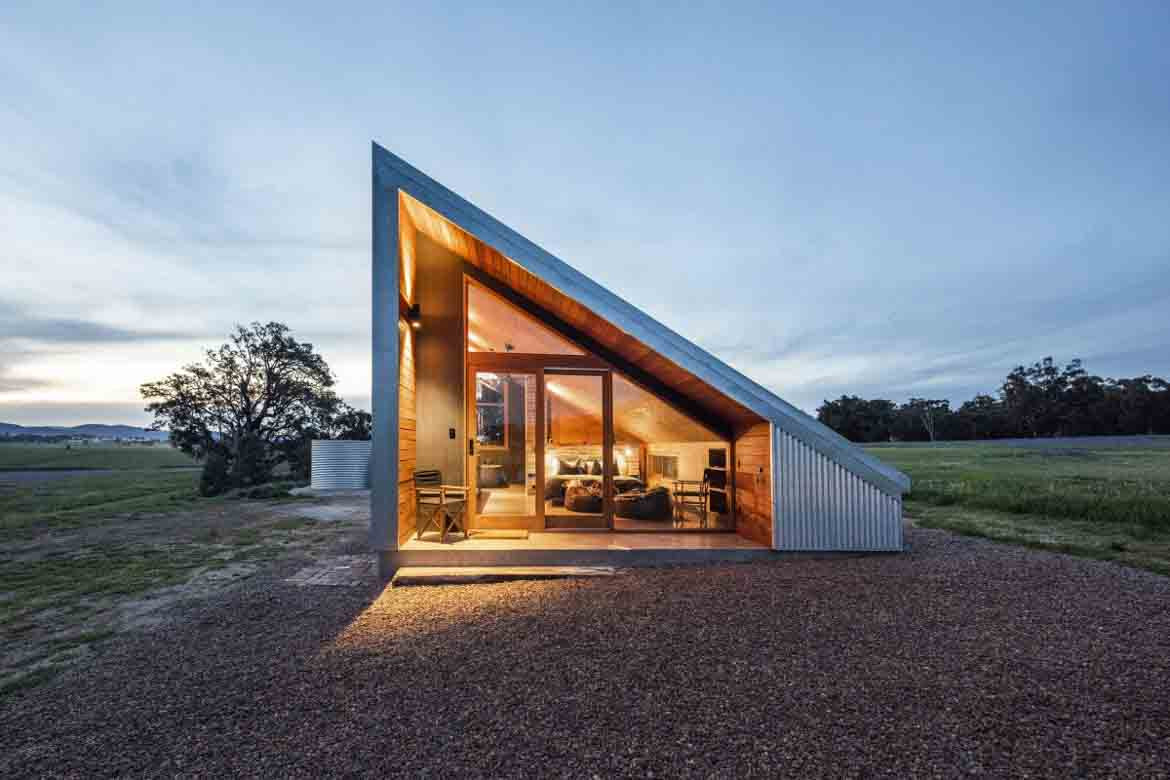
Housing needs are changing as more people look for flexible, affordable, and sustainable living options. Large homes are no longer the only goal. Many individuals and families now prefer spaces that are easier to maintain and cost less to run. Smaller homes also support simpler lifestyles and reduced environmental impact. This shift has increased interest in working with tiny house builders sydney.
Tiny homes focus on smart design rather than size. Every part of the space is planned carefully to support daily living. With thoughtful layouts, small homes can feel open, comfortable, and practical without unnecessary space.
Understanding the Tiny House Concept
Tiny houses are designed to make the most of limited space. They usually include compact kitchens, functional bathrooms, and multi-purpose living areas.
Smart Use of Space
Storage is built into walls, stairs, and furniture. Foldable tables, hidden storage, and flexible layouts help maximise usability. These features allow residents to live comfortably without clutter.
Open layouts and natural light also help small homes feel larger. Windows, skylights, and smart lighting improve comfort and visual space.
Why People Choose Tiny Homes?
Tiny homes appeal to a wide range of people. Some want affordable housing, while others prefer a minimalist lifestyle.
In the middle of housing decisions and lifestyle planning, tiny house builders Sydney support people who want custom designs that match their needs. These homes can be tailored for singles, couples, retirees, or even small families.
Tiny homes also suit people who want to reduce utility costs. Smaller spaces use less energy for heating, cooling, and lighting, which supports long-term savings.
Design Flexibility and Customisation
Tiny homes can be customised to suit different lifestyles. Layouts can be adjusted based on how the space will be used.
Some designs focus on mobility, while others are built on permanent foundations. Interior finishes, storage options, and layout choices can reflect personal preferences.
Custom design ensures the home meets practical needs without feeling cramped or uncomfortable.
Zoning and Planning Considerations
Building a tiny home requires understanding local planning rules. Regulations may vary based on land use, size, and whether the home is movable or permanent.
Proper planning helps avoid delays and ensures compliance with local requirements. Understanding zoning rules early supports smoother project progress.
Professional guidance helps navigate approvals and building standards.
Tiny Homes for Different Lifestyles
Tiny homes are suitable for many uses. Some people choose them as primary residences, while others use them as guest homes or rental units.
They also suit people seeking flexible housing solutions. Compact homes can be placed on rural land, suburban blocks, or used as secondary dwellings where allowed.
This flexibility makes tiny homes a practical option in many situations.
Long-Term Value of Compact Living
Tiny homes support long-term lifestyle goals. They encourage mindful living and reduced consumption.
Smaller homes often lead to lower living expenses and less financial pressure. This supports greater freedom and flexibility in daily life.
Well-designed tiny homes also hold value when built with quality materials and thoughtful layouts.
Final Thoughts
Tiny homes offer a modern approach to living that focuses on efficiency, comfort, and simplicity. With the right design, small spaces can support full and satisfying lifestyles.
By choosing smart layouts and quality construction, tiny homes provide affordable and flexible housing options. Thoughtful planning ensures these homes remain functional, comfortable, and sustainable for years to come.